
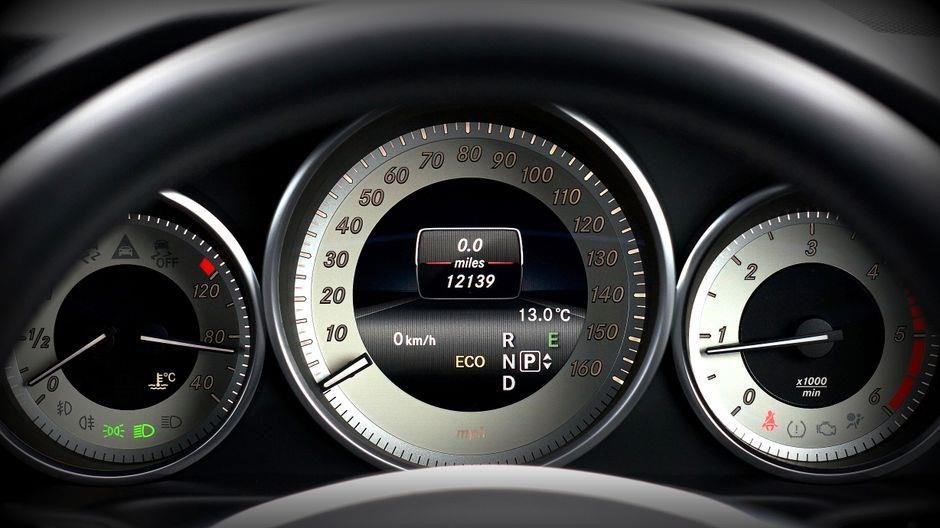
The California Odometer Disclosure Statement is a crucial document for vehicle sales, ensuring transparency and accuracy in odometer readings, protecting buyers from tampering, with legal requirements and consequences for non-compliance, filling out the form correctly is essential.
Importance of Odometer Disclosure
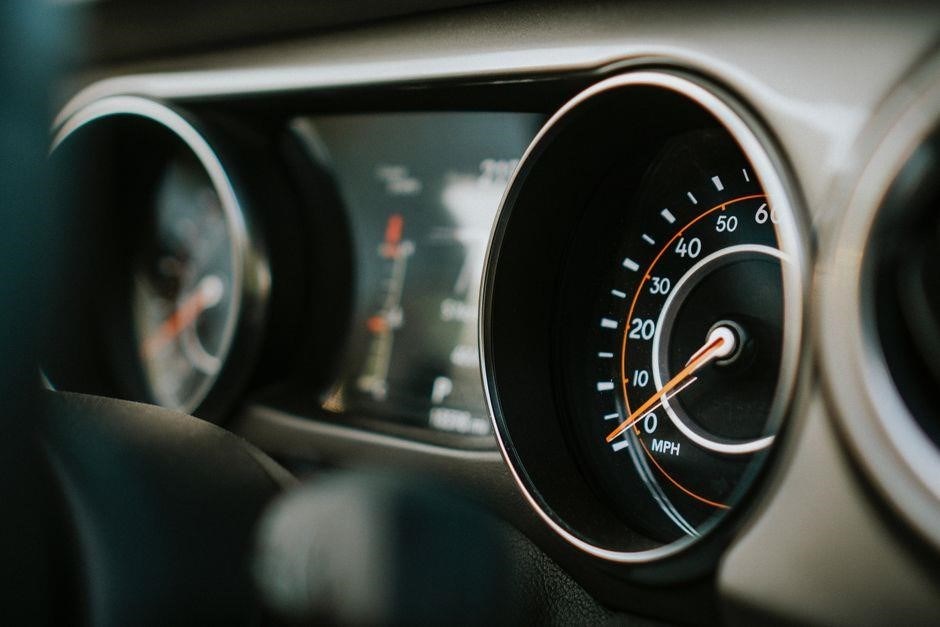
The importance of odometer disclosure cannot be overstated, as it protects buyers from odometer tampering and ensures transparency in vehicle sales. According to the California DMV, odometer tampering is illegal under state and federal law. A car can be sold without a functioning odometer, but a disclosure form must be filled out. This form is an essential part of the California Bill of Sale and assures the buyer of the vehicle’s true mileage. By utilizing services like US Legal Forms, individuals can ensure they have the proper documentation to support their sale. The odometer disclosure statement is a crucial document that prevents fraud and protects consumers. It is mandatory for all vehicle sales in California, and failure to comply can result in severe penalties. The California DMV provides guidance on how to fill out the form correctly, and online services are available to help individuals obtain the form and complete it accurately. By understanding the importance of odometer disclosure, individuals can protect themselves and ensure a smooth transaction when buying or selling a vehicle in California.
Legal Requirements for Odometer Disclosure in California
The California DMV outlines specific legal requirements for odometer disclosure, stating that odometer tampering is illegal under state and federal law. According to US Legal Forms, a disclosure form must be filled out when selling a vehicle, including the date of the statement, topic of the statement, and basic facts involved. The California Bill of Sale requires an odometer disclosure statement to assure the buyer of the vehicle’s true mileage. The REG 262 Vehicle/Vessel Transfer and Reassignment form must be used, and the odometer reading must be disclosed, with a certification statement declaring the mileage is correct to the best of the seller’s knowledge. Failure to comply with these requirements can result in severe penalties, including fines and legal action. The California DMV provides guidance on how to fill out the form correctly, and online services are available to help individuals obtain the form and complete it accurately. By understanding the legal requirements, individuals can ensure they are in compliance with California law and avoid any potential legal issues. The odometer disclosure statement is a critical component of the vehicle sales process in California, and must be taken seriously by all parties involved.
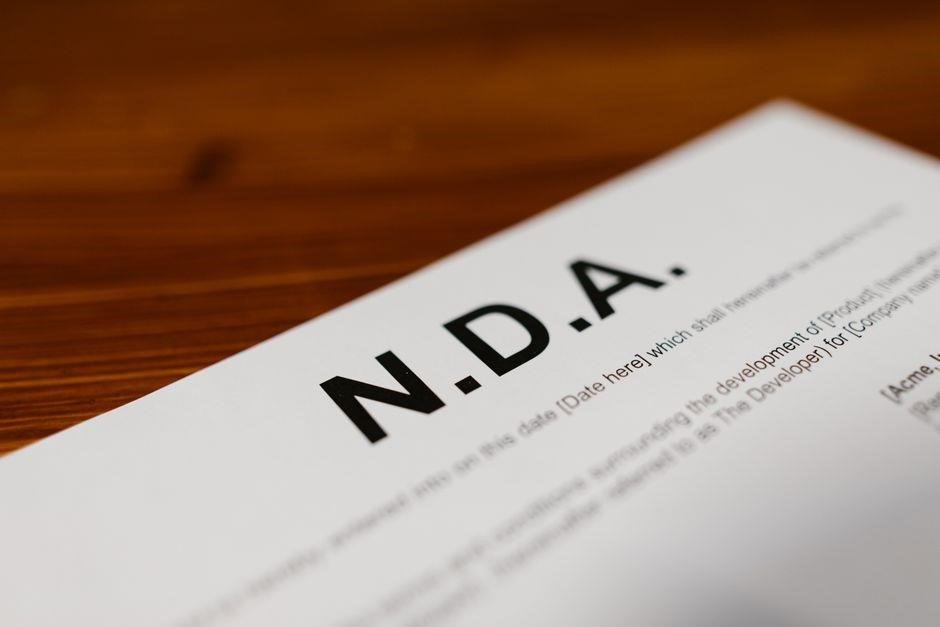
Understanding the Odometer Disclosure Statement Form
The form includes vehicle information, such as VIN, make, and model, and requires a certification statement declaring the odometer reading is accurate.
Required Information for the Odometer Disclosure Statement
The California Odometer Disclosure Statement requires specific information to be included, such as the date of the statement, vehicle details, including VIN, make, model, and year, as well as the odometer reading and a certification statement declaring the accuracy of the reading. This information is crucial for ensuring the validity of the statement and protecting both the buyer and seller in the transaction. The statement must also include the signatures of the parties involved, confirming their agreement to the terms of the statement. By including all required information, the California Odometer Disclosure Statement provides a clear and transparent record of the vehicle’s odometer reading, helping to prevent disputes and ensure a smooth transaction. The statement is an essential part of the vehicle sales process in California, and its accuracy and completeness are critical for protecting the rights of all parties involved.
Vehicle Information Needed for the Form
To complete the California Odometer Disclosure Statement, specific vehicle information is required, including the VIN (Vehicle Identification Number), make, model, and year of the vehicle. This information is typically found on the vehicle’s registration or title. Additionally, the vehicle’s license plate number and state of registration may also be required. It is essential to ensure that all vehicle information is accurate and up-to-date to avoid any discrepancies or delays in the transaction. The vehicle information is used to verify the identity of the vehicle and confirm its odometer reading. By providing the required vehicle information, the seller can ensure a smooth and transparent transaction, and the buyer can have confidence in the accuracy of the vehicle’s information. The California DMV also requires this information to be included on the odometer disclosure statement to prevent odometer tampering and protect consumers.

Filling Out the Odometer Disclosure Statement
Accurate and complete information is required when filling out the form, including odometer readings and vehicle details.
Step-by-Step Guide to Completing the Form
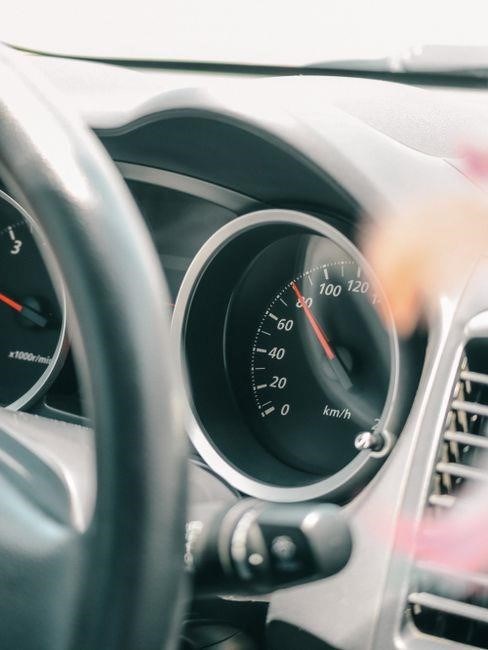
To complete the California Odometer Disclosure Statement form, follow these steps:
- Download the form from a reliable source, such as the California DMV website.
- Fill out the form accurately and completely, including the vehicle’s VIN, make, model, and year.
- Record the odometer reading correctly, ensuring it matches the vehicle’s odometer.
- Sign and date the form, certifying that the information is accurate.
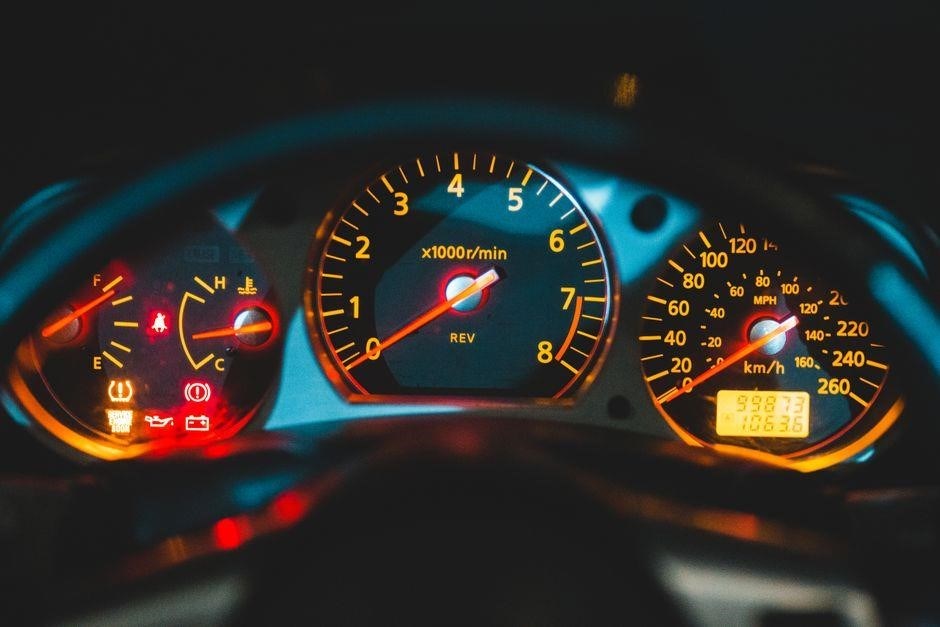
Remember to keep a copy of the completed form for your records.
Certification Statement and Signature
The Certification Statement is a critical component of the California Odometer Disclosure Statement form, where the seller or transferor certifies that the odometer reading is accurate to the best of their knowledge. The signature of the seller or transferor is required, acknowledging that they have read and understand the statement. This certification provides assurance to the buyer that the vehicle’s mileage has been disclosed accurately, protecting them from potential fraud. The signature must be legible and dated, completing the certification process. By signing the form, the seller or transferor confirms that they have complied with the requirements of the California Odometer Disclosure Statement.
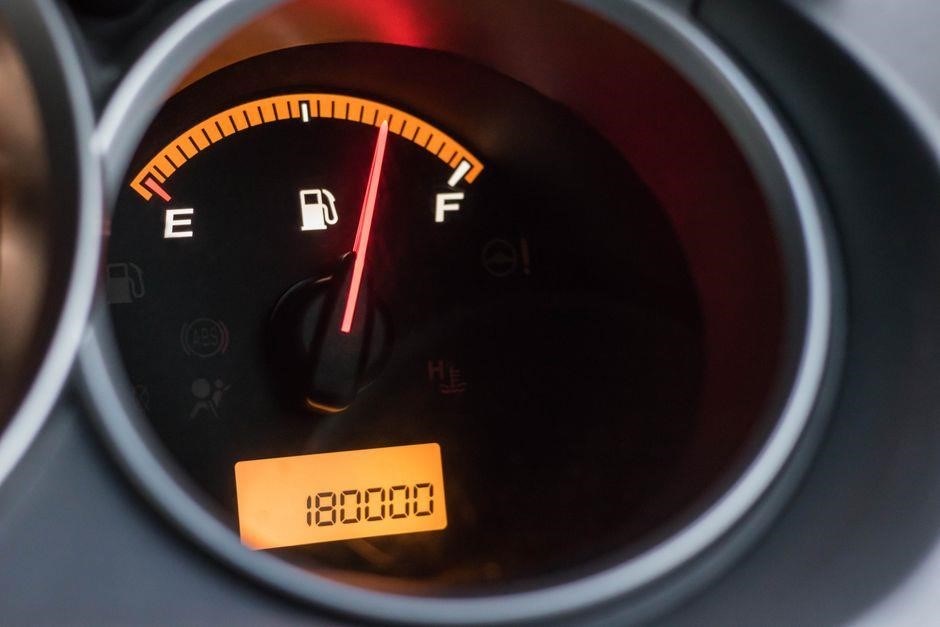
Consequences of Odometer Tampering in California
Odometer tampering is illegal under California law, with severe penalties for violators, including fines and criminal charges.
Legal Penalties for Odometer Tampering
The California DMV states that odometer tampering is a serious offense, with legal penalties including fines of up to $1,000 and imprisonment for up to one year. Additional penalties may include revocation of dealer licenses and civil lawsuits from affected buyers. Repeat offenders may face harsher penalties, including increased fines and longer imprisonment. It is essential to comply with California laws and regulations regarding odometer disclosure to avoid these severe penalties. Accurate odometer readings are crucial in maintaining trust and integrity in vehicle sales. California laws are in place to protect consumers and prevent fraud. Odometer tampering can have serious consequences for both buyers and sellers. Understanding the laws and regulations surrounding odometer disclosure is essential for a smooth and successful vehicle sale. Compliance with California laws is mandatory to avoid penalties and consequences;
Impact on Vehicle Sales and Transfers
The California Odometer Disclosure Statement has a significant impact on vehicle sales and transfers, as it ensures transparency and accuracy in odometer readings. Buyers can make 
Obtaining an Odometer Disclosure Statement
Get the form from the seller or dealership, or use online services like pdfFiller or US Legal Forms to download and print the California Odometer Disclosure Statement.
Getting the Form from the Seller or Dealership
When purchasing a vehicle, the seller or dealership is typically responsible for providing the California Odometer Disclosure Statement. This document can be obtained directly from them, ensuring that all necessary information is included, such as the vehicle’s VIN, make, model, and year, as well as the current odometer reading. It is essential to review the form carefully to ensure accuracy and completeness. The seller or dealership must provide this document to the buyer at the time of sale, and it is the buyer’s responsibility to verify the information provided. By obtaining the form from the seller or dealership, buyers can ensure a smooth and transparent transaction, and protect themselves from potential disputes or issues related to odometer tampering. Additionally, the California DMV provides guidance on the proper completion and submission of the California Odometer Disclosure Statement, which can be found on their website. By following these steps and guidelines, buyers and sellers can ensure that the transaction is legally binding and compliant with California state laws. Furthermore, the form must be filled out accurately and completely, with all required information included, to avoid any delays or issues with the transaction. The seller or dealership must also retain a copy of the form for their records, as required by California state law. By following these procedures and guidelines, buyers and sellers can ensure a successful and legally binding transaction.
Using Online Services for Odometer Disclosure Statements
Utilizing online services for California Odometer Disclosure Statements can be a convenient and efficient way to obtain the necessary forms and information. Websites like pdfFiller and US Legal Forms offer fillable and printable forms, allowing users to complete and submit their disclosure statements electronically. These online services often provide guidance and support to ensure accuracy and compliance with California state laws. Additionally, online services can help reduce the risk of errors or omissions on the form, and provide a secure and convenient way to store and manage documents. By utilizing online services, buyers and sellers can streamline the process of obtaining and completing California Odometer Disclosure Statements, and ensure a smooth and efficient transaction. Furthermore, online services can provide access to additional resources and information, such as instructions and guidelines for completing the form, and answers to frequently asked questions. By taking advantage of these online services, buyers and sellers can ensure that they are in compliance with all applicable laws and regulations, and complete the transaction with confidence and security.
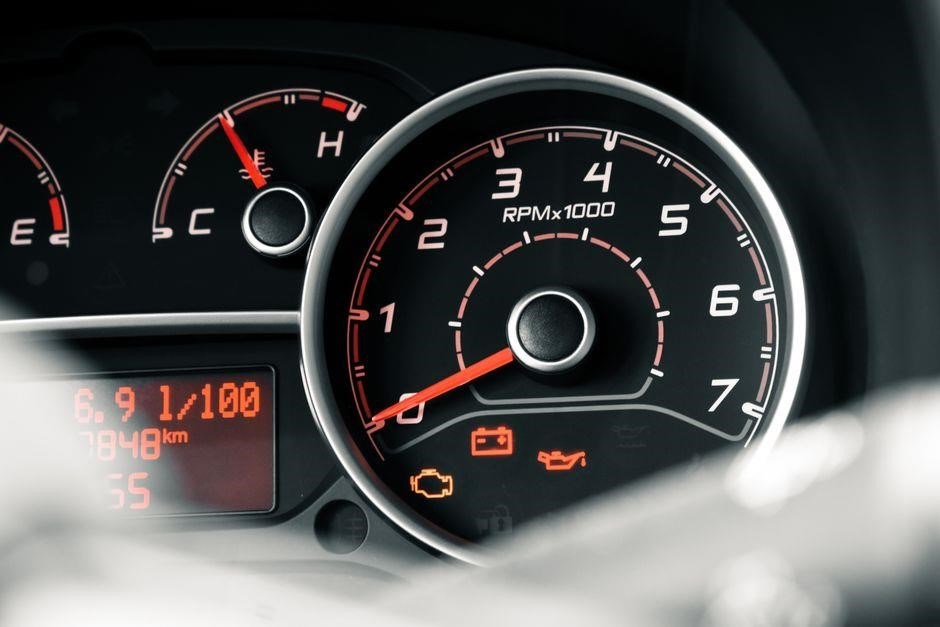
Transparent Vehicle Transactions with Odometer Disclosure
Transparent vehicle transactions rely on accurate odometer readings, protecting buyers from tampering, with California laws ensuring honesty in vehicle sales.
Benefits of Accurate Odometer Readings
The benefits of accurate odometer readings are numerous, including protection for buyers from tampering, ensuring a fair market value for vehicles, and preventing financial losses due to inaccurate mileage representations.
Additionally, accurate odometer readings help maintain trust in the vehicle sales process, reducing the risk of disputes and litigation related to odometer tampering.
By ensuring accurate odometer readings, California regulations protect consumers and promote a fair and transparent marketplace for vehicle sales.
Best Practices for Vehicle Sales and Transfers
When selling or transferring a vehicle in California, it’s essential to follow best practices to ensure a smooth and legally compliant process.
This includes using the correct forms, such as the California Odometer Disclosure Statement and the REG 262 form, and providing accurate and complete information about the vehicle.
Sellers should also disclose any known defects or issues with the vehicle, and buyers should carefully review all documents and ask questions before completing the sale.
By following these best practices, parties involved in vehicle sales and transfers can avoid potential problems and ensure a successful transaction, with all required documentation and compliance with California regulations.