

Overview of Laura Ashley Pillow Materials
Laura Ashley pillows feature a blend of natural and synthetic fibers. Common fabrics include cotton‚ polyester‚ and linen‚ often combined with a polyester core for shape retention. Decorative covers may use silk or velvet‚ while quilting adds extra comfort and durability. Soft‚ durable‚ breathable.! ?
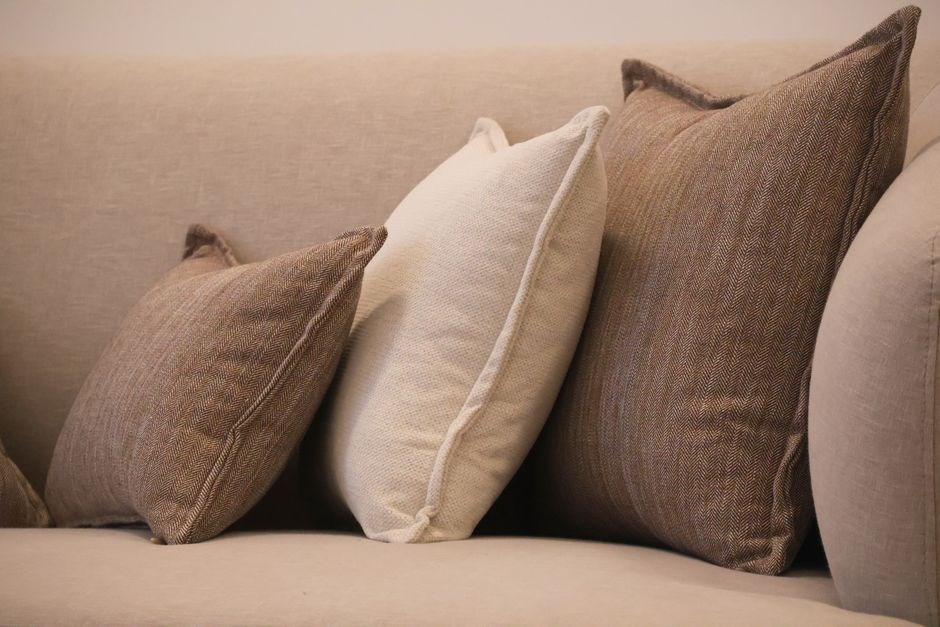
Common Fabrics Used in Laura Ashley Pillows
Laura Ashley pillows are crafted from a selection of fabrics that balance comfort‚ durability‚ and aesthetic appeal. The most frequently used base material is high‑thread‑count cotton‚ prized for its softness‚ breathability‚ and natural moisture‑wicking properties. Cotton blends‚ such as cotton‑polyester mixes‚ are also common; these blends combine cotton’s natural feel with polyester’s resistance to wrinkling and faster drying times. Linen‚ a lightweight and highly breathable fabric‚ is chosen for pillows intended for warmer climates or for a more natural‚ eco‑friendly feel. Polyester alone is sometimes used for the pillow’s filling or core‚ providing shape retention and resistance to sagging. Decorative covers may feature silk or satin for a luxurious sheen‚ while velvet is employed for a plush‚ tactile experience. Quilting or layering techniques are often applied to reinforce structure and add visual interest‚ especially in patterned or embroidered designs. All these fabrics are selected to maintain the brand’s signature blend of classic elegance and everyday comfort‚ ensuring that each pillow remains soft‚ supportive‚ and visually appealing after repeated wash cycles. These materials are chosen to withstand regular laundering while preserving softness and color integrity‚ making them suitable for both everyday use and special occasions. Careful selection of washing methods will keep the pillows looking fresh and comfortable for years to come. Proper ventilation after drying keeps pillows fresh and mildew-free daily !!
Pre-Wash Preparation
Before washing‚ remove pillow covers carefully. Check for removable labels and tags. Gently shake out loose fabric and inspect for loose threads or embellishments. If covers are removable‚ detach them and place in a mesh bag. This step protects both pillow and cover during the wash cycle. .
Removing Pillow Covers and Labels
Begin by locating the seam that holds the cover to the pillow. Use a small‚ flat‑tipped tool or a seam‑rip to gently lift the edge without tearing the fabric. If the cover is sewn with a decorative button or a hidden zipper‚ carefully open the fastener first. Once the cover is free‚ slide it off the pillow‚ taking care not to snag any of the pillow’s filling or internal stitching. Inspect the cover for any loose threads or embellishments that may have become detached during use. If the cover has a detachable tag or label‚ remove it with a pair of tweezers to avoid pulling on the fabric. For covers that are glued or have a heat‑sealed edge‚ use a warm‚ damp cloth to soften the adhesive before gently peeling the cover away. After removal‚ place the cover in a clean‚ dry area to air‑dry completely before washing; This step prevents any residual moisture from the pillow’s filling from seeping into the cover during the wash cycle‚ which could lead to mildew or mold growth. Finally‚ check the pillow’s internal stitching for any loose seams that may need repair before reassembly. Proper removal preserves the integrity of both the cover and the pillow‚ ensuring a longer life and better performance after each wash.
Lorem ipsum dolor sit amet‚ consectetur adipiscing elit. Lorem ipsum dolor sit amet‚ consectetur adipiscing elit. Lorem ipsum dolor sit amet‚ consectetur adipiscing elit. Lorem ipsum dolor sit amet‚ consectetur adipiscing elit. Lorem ipsum dolor sit amet‚ consectetur adipiscing elit. Lorem ipsum dolor sit amet‚ consectetur adipiscing elit.!!
Machine Washing Guidelines
Keep the machine’s drum balanced; do not overload. After drying‚ add a tennis ball restoreloft prevent clumping.
Selecting the Right Cycle and Detergent
When washing Laura Ashley pillows‚ selecting the correct cycle and detergent is essential to preserve fabric integrity and decorative elements. Check the care label on the pillow cover; most covers are made from cotton or polyester blends that tolerate gentle or normal wash cycles. For cotton‑heavy covers‚ a normal cycle with a mild detergent works well‚ while polyester or silk covers benefit from a delicate or hand‑wash cycle to avoid excessive agitation. Avoid the heavy or high‑speed cycles that can damage the pillow’s stitching or cause the decorative trim to fray. If the pillow has a removable cover‚ you may use a standard cycle; if the cover is integral‚ a delicate cycle is safer. Always use a liquid detergent that is free of bleach or optical brighteners‚ as these can discolor or weaken the fibers. For pillows with a polyester core‚ a gentle cycle with a low spin speed (around 400–600 rpm) will keep the filling evenly distributed. If the pillow has a cotton core‚ a normal cycle with a 30‑minute wash time is acceptable‚ but use a low spin to prevent the filling from shifting. When using a washing machine‚ place the pillow in a large capacity basket or a pillowcase to protect it from other garments. Add a clean tennis ball or a dryer ball to help maintain loft and prevent clumping. After the wash cycle‚ remove the pillow promptly and reshape it by hand. If you need to dry the pillow‚ opt for air‑drying or a low‑heat tumble cycle; high heat can shrink or melt synthetic fibers. Check label drying to confirm temperature now
Hand Washing Techniques
Use lukewarm water and a mild detergent. Gently agitate the pillow‚ avoiding wringing. Rinse thoroughly‚ then press out excess water without twisting. Lay flat to dry‚ reshaping periodically to maintain loft. Keep away from direct heat. Handle delicate trims carefully.!!
Using Mild Detergents and Water Temperatures
When washing Laura Ashley pillows by hand‚ always choose a detergent formulated for delicate fabrics. A gentle‚ fragrance‑free formula prevents residue buildup and maintains the softness of cotton‚ linen‚ or silk covers. Avoid bleach or heavy‑soaps‚ which can degrade fibers and strip color. Use water that is no hotter than 30 °C (86 °F). Warm water dissolves detergent more efficiently than cold‚ yet stays gentle enough to protect natural fibers. After soaking‚ rinse with cool water to remove any detergent traces. Handle the pillow with care‚ gently squeezing out excess water without wringing‚ and lay it flat on a clean towel to air‑dry. This method preserves the pillow’s shape‚ prevents shrinkage‚ and keeps the decorative embellishments intact. By following these guidelines‚ you ensure a clean‚ fresh pillow that retains its original texture and appearance for years. Always allow the pillow to dry completely before reinserting the cover to avoid mildew.
To further protect the fabric‚ test a small‚ inconspicuous area before full washing. Apply a tiny amount of detergent‚ rinse‚ and observe for colorfastness or fiber softness. If the test area shows no adverse reaction‚ proceed with the entire pillow. When rinsing‚ use a gentle‚ circular motion to avoid pulling on the weave‚ especially on silk or velvet trims. After the final rinse‚ press the pillow against a towel to absorb excess water‚ then reshape it by hand‚ aligning the filling to maintain even distribution. Finally‚ store the pillow in a dry‚ well‑ventilated area to keep it fresh between washes.
Drying Procedures
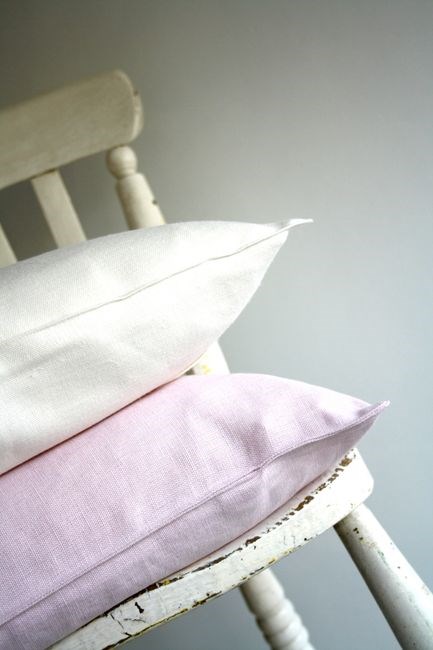
Air‑dry Laura Ashley pillows by laying them flat on a clean towel‚ turning every 30 min to keep shape. Avoid direct sunlight to prevent fading. If using a dryer‚ set to low heat‚ add a clean tennis ball to keep fluff. Never tumble high heat‚ which can shrink or damage fibers
Air Drying vs. Tumble Drying
When caring for Laura Ashley pillows‚ the drying method can significantly affect longevity and comfort. Air‑drying is the safest approach: lay the pillow flat on a clean‚ dry towel or drying rack‚ turning it every 30 minutes to promote even moisture loss and maintain shape. This gentle process preserves delicate fabrics such as cotton‚ linen‚ and silk‚ and prevents the polyester core from becoming compressed or warped. Avoid placing the pillow in direct sunlight‚ which can fade colors and weaken fibers. For those with limited space‚ a low‑heat tumble dryer can be used‚ but only on the lowest setting. Add a clean tennis ball or dryer sheet to keep the pillow fluffy and to help distribute heat evenly. Never use high heat or a dryer with a “high” or “heavy” cycle‚ as the intense heat can shrink cotton blends‚ scorch synthetic materials‚ and damage any decorative trims or appliques. After drying‚ fluff the pillow by hand to restore its original loft‚ and store it in a breathable cotton bag or a dry‚ well‑ventilated area to keep it fresh until the next wash. Following these guidelines will keep your Laura Ashley pillow looking pristine and feeling comfortable for years. Remember to rotate the pillow every few weeks during drying to prevent uneven wear and maintain its loft‚ and if the pillow has a removable cover‚ wash the cover separately in a gentle cycle to preserve any delicate prints or embroidery. If you notice any stains after washing‚ spot‑clean with a mild detergent before drying‚ as this helps keep the pillow looking and prolongs itsdaily life.
Ironing and Flattening Pillow Covers
Use a low‑heat iron (150–170°C) for cotton or polyester. Place a thin cloth over the cover to protect prints. Iron in a back‑to‑front motion‚ then lay flat to cool‚ fluffing to keep shape. Avoid high heat on silk or velvet trims.Mov e iron gently no scorch.
Setting Iron Temperature for Different Fibers
When flattening Laura Ashley pillow covers‚ selecting the correct iron temperature is essential to preserve fabric integrity and decorative details. Below is a concise guide for common fibers found in these pillows:
- Cotton: 150–170 °C (300–330 °F). Use a steam setting if available; avoid high heat to prevent scorching or shrinkage.
- Polyester: 120–140 °C (250–285 °F). A low‑heat setting with no steam is safest; high temperatures can melt seams or cause a shiny finish.
- Linen: 140–160 °C (285–320 °F). A medium heat with light steam works well; keep the iron moving to avoid puckering.
- Silk: 110–120 °C (230–250 °F). Set the iron to a delicate or silk setting; a damp cloth between iron and fabric protects the sheen.
- Velvet: 110–120 °C (230–250 °F). Use a low‑heat setting with a protective cloth; avoid direct contact to keep the pile intact.
- Wool blends: 120–140 °C (250–285 °F). A wool or medium setting with minimal steam prevents felting.
Always test a hidden corner first‚ especially for embroidered or embellished covers‚ and iron on the reverse side to avoid damage to prints or appliqués. After ironing‚ lay the cover flat on a clean surface‚ fluff the pillow‚ and allow it to cool completely before reassembling. This routine maintains the cover’s crisp appearance and extends its lifespan. Keep freshy.

Special Care for Embellished or Decorative Pillows
For Laura Ashley pillows with embroidery‚ sequins‚ or appliques‚ wash inside‑out on a gentle cycle. Use a mild detergent and avoid bleach. Gently hand‑wash delicate parts‚ then air‑dry flat. Store folded‚ not compressed‚ to keep embellishments intact. Handle with care to preserve the delicate design.!
Handling Embellishments During Wash
When cleaning Laura Ashley pillows that feature delicate embroidery‚ sequins‚ or appliques‚ it is essential to protect these accents. First‚ remove the pillow cover and inspect each embellishment for loose threads or fragile elements. Place the cover in a mesh laundry bag to shield it from agitation. Select a gentle cycle with cold water and a mild‚ fragrance‑free detergent. Avoid bleach or fabric softeners‚ as they can damage metallic or delicate fibers. If the embellishment is particularly fragile‚ hand‑wash the cover in lukewarm water‚ gently swirling the fabric without wringing. After washing‚ rinse thoroughly to remove detergent residue. Lay the cover flat on a clean towel‚ roll it gently to absorb excess water‚ then air‑dry in a shaded area‚ avoiding direct sunlight which can fade colors. For pillows with heavy or bulky embellishments‚ consider spot‑cleaning the affected area with a soft brush and a mild detergent solution‚ then allow it to air‑dry completely before reassembling. Finally‚ store the pillow cover folded‚ not compressed‚ to maintain the shape of the embellishments while keeping the pillow fresh and clean. Careful attention to the placement of decorative trims during washing ensures that the pillow retains its original aesthetic appeal. After the cover has dried‚ gently fluff the pillow to redistribute the filling‚ and store it in a breathable cotton bag to prevent dust accumulation. Keep the pillow in a cool‚ dry place until the next wash. Keep dry. always
Storage and Maintenance Tips
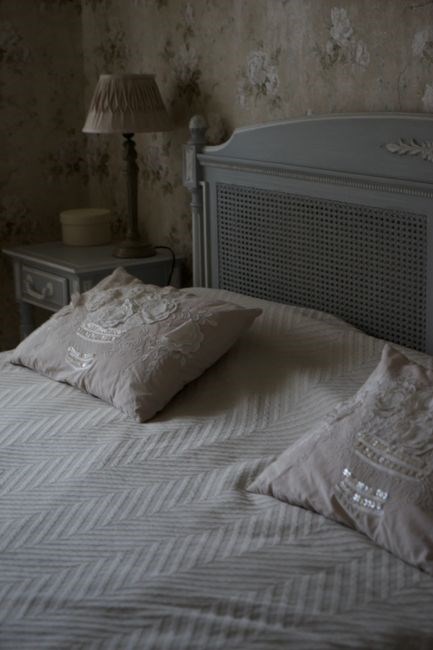
Keep pillows in a breathable cotton bag‚ away from direct sunlight. Rotate cushions every 3 months to maintain shape. Use a mild detergent for spot cleaning. Store in a cool‚ dry area to prevent mildew. Refresh with a pillow spray every 6 months. Keep the pillow covers folded and dust‑free between washes.
Maintaining Shape and Freshness Between Washes
To keep Laura Ashley pillows crisp and plump between washes‚ start by removing any dust or debris with a soft brush or a vacuum attachment. Gently fluff the pillow to redistribute the filling‚ ensuring the polyester core remains evenly distributed. If the pillow has a removable cover‚ store it in a breathable cotton bag; avoid plastic to prevent moisture buildup. For added protection‚ place a lightly scented pillow spray or a sachet of dried lavender inside the cover before closing it. This not only keeps pillow fresh but also deters moths and other pests. Rotate pillows every three months‚ alternating side that faces the bed‚ to prevent uneven wear. When not in use‚ keep pillows in a cool‚ dry room with good airflow avoid direct sunlight which can fade fabric and degrade filling. Periodically check for any signs of mildew or dampness‚ especially in humid climates‚ and address promptly.
To keep Laura Ashley pillows fresh when not in use‚ place them in a breathable cotton pillowcase or a dedicated pillow protector that allows air circulation. Adding a cedar block or sachet of baking soda in pillowcase to absorb odors overnight!! Place clean sheets under pillows to absorb moisture. Use a moisture‑absorbing protector to keep pillows light and ready for sleep and keep them airy
Place a sachet of baking soda in pillowcase to absorb odors overnight!!