

Calligraphy worksheets PDF provide structured practice for learners, offering guided strokes, letterforms, and design layouts. They help build muscle memory, consistency, and confidence, making the art accessible for beginners and seasoned artists alike. They also include spacing and slant practice
1.1 What Makes a Good Calligraphy Worksheet?
A quality calligraphy worksheet balances structure and creativity, guiding the learner through foundational strokes before advancing to full letterforms. Clear, bold outlines provide a visual anchor, while lighter grid lines help maintain consistent slant and spacing. Each page should introduce a single concept—such as baseline rhythm, serif formation, or flourish integration—so the student can focus without distraction.
Progressive difficulty is essential; early sheets emphasize simple strokes and basic letters, gradually adding ligatures, ornamental elements, and complex compositions. This step‑wise approach builds confidence and muscle memory, preventing frustration that can arise from overly ambitious designs.
High‑resolution PDF files ensure crisp lines when printed on various media, and the ability to zoom in allows detailed examination of stroke order and pressure points. A good worksheet will also include a brief explanatory note or diagram for each technique, offering context for why a particular stroke is executed in a certain way.
Finally, versatility matters: worksheets that can be used for both practice and portfolio pieces, or that adapt to different nib sizes and ink viscosities, provide long‑term value. A well‑crafted PDF should feel like a companion tool, not just a static set of lines.
Consistent practice, coupled with mindful reflection, transforms tentative strokes into confident, expressive writing, enabling artists to explore new styles with ease.!!!

Types of Calligraphy Worksheets
Calligraphy worksheets come in formats: line‑by‑line drills, full practice and projects. Beginners benefit from simple stroke guides, while advanced users explore complex ligatures, flourishes, layouts. Each type targets specific skills, ensuring growth!!.
2.1 Beginner vs Advanced Worksheets
Beginner worksheets focus on foundational strokes, basic letterforms, and consistent slant. They provide clear grids, simple alphabets, and step‑by‑step guidance, allowing novices to master pressure control, line weight and spacing before moving on. These sheets often include repetition drills, single‑letter practice, and basic word exercises to build muscle memory and confidence.
Advanced worksheets, on the other hand, challenge users with complex ligatures, flourishes, and full‑length compositions. They incorporate varied nib angles, calligraphic ornaments, and advanced stroke sequences that require a solid grasp of fundamentals. These resources also feature multi‑letter phrases, decorative borders, and layout design exercises that push the artist toward professional quality.
Both levels benefit from structured progression: beginners start with simple, repeatable patterns, while advanced users tackle intricate, creative projects. By alternating between the two, learners can maintain motivation, avoid plateaus, and steadily expand their repertoire.
When selecting worksheets, consider the learning goals: technical drills for precision, creative layouts for expression, or thematic projects for themed events. Consistent practice with varied content keeps skills sharp, encourages experimentation, and builds a versatile portfolio that showcases growth over time.
Review progress, adjust difficulty, celebrate milestones. Consistent effort turns worksheets into a powerful tool for artistic growth.

Popular Calligraphy Styles Covered
These worksheets showcase Italic, Copperplate, Brush Script, Gothic, and Modern calligraphy, each with tailored drills for strokes, ligatures, and ornamental flourishes; Practice guides help learners master slant, spacing, and ink flow across styles. Improve slant, line weight, and spacing now.
3.1 Italic, Copperplate, and Brush Script
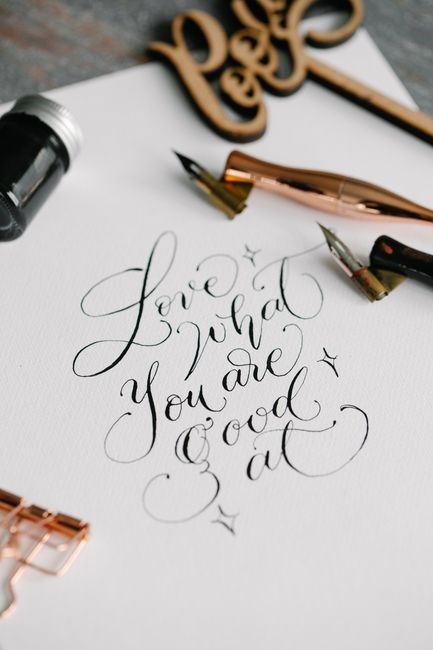
Italic, Copperplate, and Brush Script are core styles featured in many calligraphy worksheets PDF. Italic offers a natural slanted flow ideal for beginners, while Copperplate’s formal, rounded forms challenge advanced users to master fine line weight and consistent spacing. Brush Script introduces dynamic, fluid strokes that mimic a brush’s natural pressure variations, perfect for expressive, informal lettering. Worksheets provide step‑by‑step guides for each letter, encouraging repetition of key strokes, loops, and ascenders, and include practice pages for common ligatures and decorative flourishes. Printable grids allow precise alignment and comparison of hand‑written samples to the template. Color‑coding differentiates thick and thin strokes, helping users develop muscle memory for pressure control. Exercises on slant adjustment, baseline consistency, and ornamental integration—such as swashes or filigree—support deeper mastery. By focusing on these styles, learners build a versatile skill set applicable to wedding invitations, business cards, personalized gifts, and artistic compositions. Quick reference charts outline stroke order, ensuring consistency. Downloadable worksheets in multiple languages let users apply the same technique to non‑Latin scripts. Printable templates for full words and phrases help students see how letters interact within a sentence, reinforcing spacing and rhythm. Advanced challenges include designing monograms or custom title pages, encouraging creative application. Resources are updated to reflect evolving trends, providing contemporary design elements while preserving traditional fundamentals. Engaging with these worksheets develops confidence, precision, and an appreciation for the artistry inherent in each stroke. Students also learn to adjust ink flow and use varied nibs, enhancing their adaptability across different tools and improve overall design sense.
Finding High-Quality PDF Resources
High‑quality calligraphy PDF worksheets combine clear grids, accurate letterforms, and printable layouts. Look for reputable sites, peer reviews, and sample pages. Verify file size, resolution, and compatibility with common PDF readers before downloading
4.1 Free vs Paid Options
Choosing between free and paid calligraphy worksheet PDFs involves evaluating quality, variety, and licensing. Free resources often come from community forums, hobbyist blogs, or educational sites. They typically provide basic letter grids, simple practice pages, and occasionally themed worksheets. The advantage is instant accessibility and zero cost, which is ideal for casual learners, hobbyists, or educators on tight budgets. However, free PDFs may lack consistency in stroke guidance, have lower resolution, or include watermarks that hinder printing. Licensing can also be ambiguous; some free files are shared under Creative Commons, while others may be copyrighted, limiting commercial use redistribution. Paid options, on the other hand, usually come from established calligraphy publishers, professional artists, or specialized educational platforms. These PDFs tend to feature high-resolution scans, detailed stroke diagrams, and comprehensive practice sheets that cover multiple styles such as Italic, Copperplate, and Brush Script. Many paid collections also provide supplemental materials like printable practice books, digital templates, and instructional videos. The primary benefits are superior design quality, reliable licensing for commercial projects, and often customer support or updates. The cost can range from a few dollars for a single sheet to subscription models that grant access to a library of worksheets, which is valuable for teachers or studios that require a broad curriculum. When deciding, consider your goals. If you are a beginner or a hobbyist who needs occasional practice, free worksheets may suffice. For advanced practitioners, educators, or businesses that require polished, legally clear materials, investing in paid PDFs can save time and ensure professional standards. A balanced approach is also possible: start with free samples to gauge style and quality, then upgrade to paid resources for more advanced or specialized practice.
Downloading and Organizing PDFs
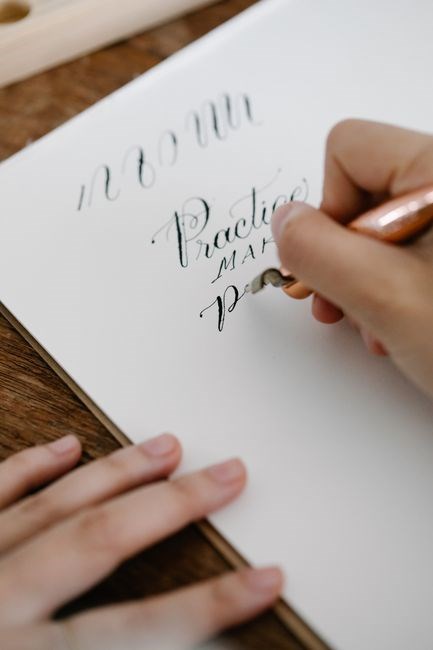
When acquiring calligraphy worksheet PDFs, use reputable sites, verify file integrity, and keep a backup. Store files in a ded folder, naming each by style and difficulty. Tag PDFs with keywords for quick search, maintain an index spreadsheet to track versions. PDF

5.1 Naming and Folder Tips
When downloading calligraphy worksheet PDFs, use a clear naming convention. Begin each file name with the style (Italic, Copperplate, Brush), then the difficulty level (Beginner, Intermediate, Advanced), and a brief descriptor like “Letterforms” or “PracticeSet.” For example, “Italic_Beginner_PracticeSet.pdf.” Adding a date in YYYYMMDD format helps track the latest version.
Organize the files in a dedicated folder hierarchy. Create a root folder named “Calligraphy Worksheets.” Inside, make subfolders for each style, and within those, subfolders for difficulty levels. This keeps the library tidy and lets you find a worksheet quickly. Sync the root folder with a cloud service for access from any device.
Keep file extensions consistent (.pdf) and avoid spaces or special characters that could break links. Replace spaces with underscores or hyphens. For example, “Copperplate_Intermediate_Alphabet.pdf” instead of “Copperplate Intermediate Alphabet.pdf.”
Maintain an index file in the root folder. List each file name, style, difficulty, and a short note on its content or intended use. This quick reference eliminates the need to open each PDF to confirm its purpose. Add a version number (v1, v2) when updating worksheets and record it in the index.
Back up the organized folder to an external drive or cloud backup. Regular backups guard against accidental deletion or corruption. When adding new worksheets, follow the established naming and folder rules before moving the file into the structure. Consistent organization turns a cluttered collection into a searchable, efficient resource for practice and creative projects.
For advanced users, consider adding metadata tags within the PDF itself—keywords like “handwriting,” “stroke order,” or “letter spacing.” Many PDF editors allow embedding such tags, which can be searched by PDF readers that support metadata. This extra layer of organization is especially useful when you have hundreds of worksheets and need to locate a specific practice set quickly.
Printing and Paper Selection
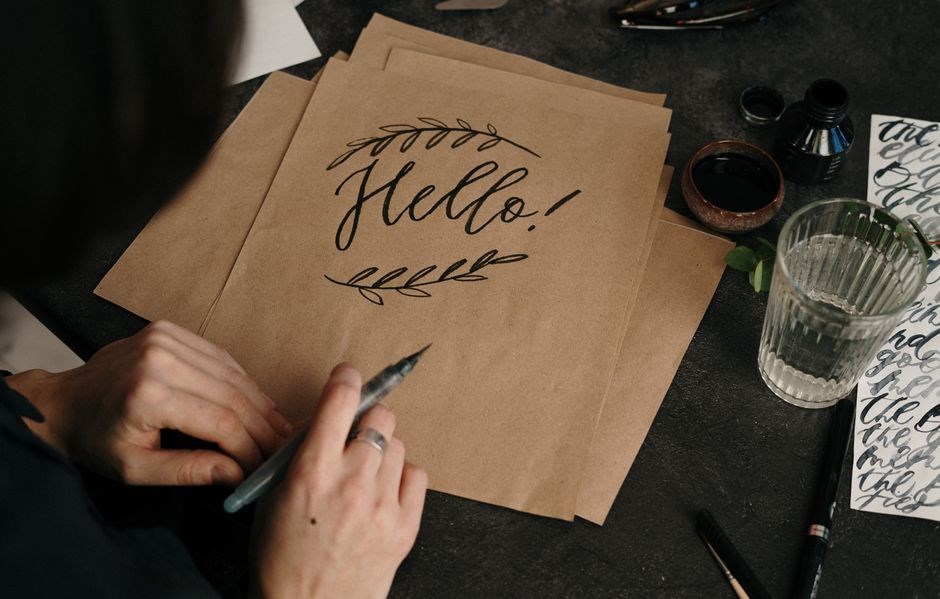
Choose paper that resists bleed and supports ink flow. Smooth, heavyweight stock (200–250 gsm) works best for fountain pens. For brush scripts, a slightly textured surface adds depth. Print on a high‑resolution PDF to preserve line clarity, and use a calibrated printer for accurate color.!!

6.1 Best Papers for Calligraphy Practice
Choosing the right paper is pivotal for calligraphy worksheets PDF. The ideal sheet should balance smoothness, weight, and texture to accommodate different nibs and inks. Below are the top categories and specific recommendations:
- Smooth, Heavyweight Stock (200–250 gsm): This type offers a slick surface that prevents feathering and allows precise line work. It’s perfect for fountain pens and fine liners.
- Textured, Medium‑Weight Paper (170–190 gsm): A subtle grain adds depth to brush strokes and calligraphic flourishes. It’s suitable for mixed‑media practice and watercolor accents.
- Water‑Resistant, High‑Quality Cardstock (250–300 gsm): Ideal for ink that may bleed. Brands like Rhodia and Clairefontaine provide excellent durability.
- Recycled, Eco‑Friendly Options (180–200 gsm): These papers combine sustainability with performance, offering a slightly textured feel that works well with both fountain pens and brush pens.
- Specialty Calligraphy Paper (200–220 gsm): Designed for calligraphers, these sheets have a slightly rough surface to grip ink, reducing smudging while still allowing smooth strokes.
When printing worksheets, use a high‑resolution PDF to preserve line clarity. Calibrate your printer’s color settings to match the paper’s finish. Test a single sheet before committing to a large batch to ensure ink flow and drying times meet your expectations. By selecting the appropriate paper, you’ll enhance the overall quality of your calligraphy practice and achieve consistent, professional results.
Additionally, consider the following when choosing paper:
- Ink compatibility: Some papers absorb ink faster, which can cause feathering.
- Drying time: Heavier papers often dry slower, giving more time for corrections.
- Storage: Keep sheets flat in a dry environment to avoid warping.
Popular brands include Leuchtturm1917 (200 gsm), Clairefontaine (220 gsm), Rhodia (250 gsm), and Hahnemühle (240 gsm). Prices vary from $10 to $30 per pack, but the investment pays off in reduced ink waste and improved line quality.
By mastering paper selection, you unlock the full potential of your calligraphy worksheets PDF. Remember to test each paper with your chosen nib before committing to a full project.

Digital Tools for Viewing PDFs
Use apps like Adobe Acrobat Reader, Foxit PDF, or SumatraPDF for zoom, rotation, and annotation. Web-based viewers such as Google Drive or PDFescape allow quick access. Features include highlighting, note‑taking, and layer visibility.Bookmark pages for quick.
7.1 Annotation Features in PDF Readers
PDF readers provide a suite of annotation tools that streamline the practice of calligraphy worksheets. Highlights allow you to mark key strokes, while the underline and strikethrough features help you track corrections. Sticky notes give you a place to jot quick observations or reminders about slant, spacing, or pressure.
- Drawing tools: Freehand pens and brushesalso quickly let you trace letterforms on the PDF, giving instant visual feedback.
- Shape tools: Rectangles, circles, and arrows outline guidelines or emphasize strokes.
- Text boxes: Insert comments or label specific characters for later review.
- Stamps: Pre‑made stamps like “Approved” or “Needs work” add a professional touch;
- Layer management: Create separate layers for practice strokes, final lines, and notes, allowing you to toggle visibility.
- Search and bookmark: Jump to specific pages or sections of a multi‑page worksheet.
- Export options: Save annotated PDFs or export annotations as separate files for sharing with instructors or peers.
- Sync across devices: Cloud‑enabled readers keep your annotations consistent whether you’re on a laptop, tablet, or phone.
By leveraging these features, you can transform static worksheets into interactive tools, track progress over time, and collaborate with others in real‑time or asynchronously.
Using Worksheets in Creative Projects
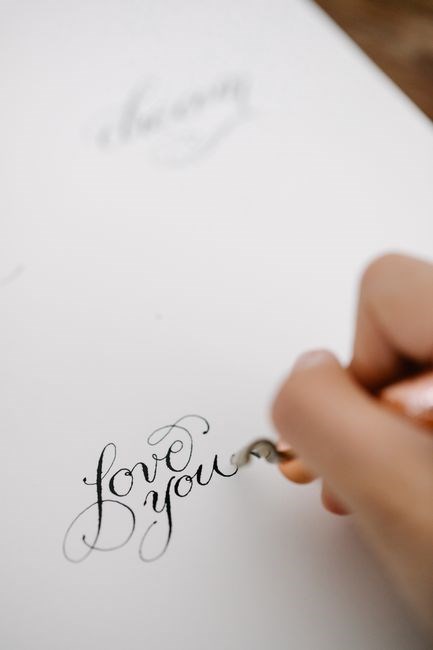
Calligraphy worksheets PDFs become versatile assets for creative projects. Print or scan them to create custom invitations, greeting cards, or wall art. Use them as templates for hand‑lettered logos, wedding programs, or personalized gifts. Layering, color, and texture add depth. Practice daily!
Calligraphy worksheets PDF provide structured practice for learners, offering guided strokes, letterforms, and design layouts. They help build muscle memory, consistency, and confidence, making the art accessible for beginners and seasoned artists alike. They also include spacing and slant practice
Calligraphy worksheets PDFs become versatile assets for creative projects. Print or scan them to create custom invitations, greeting cards, or wall art. Use them as templates for hand‑lettered logos, wedding programs, or personalized gifts. Layering, color, and texture add depth. Practice daily!
8.1 Classroom, Personal, and Gift Ideas
In a classroom, worksheets become interactive stations where students trace letters, experiment with slants, and compare styles. Teachers can use them for themed projects, guiding spacing and proportion. Online tools let learners annotate, encouraging self‑assessment.
Students can practice calligraphic flourishes, adding loops to each letter, enhancing flair today now!! daily
For personal practice, a notebook of scanned worksheets provides a private studio. Artists layer sheets with watercolor or collage, turning pages into mixed‑media exploration. Structured grids maintain rhythm and encourage spontaneity.
Students can experiment with nibs, adjusting pressure to create subtle line variations adding depth.
Gift ideas flourish when worksheets become bespoke stationery. Print personalized note cards, envelope liners, or a custom calendar. Embellish with calligraphic borders, monograms, or thematic motifs. Hand‑letter a favorite quote on high‑quality paper using the worksheet as a template.
Students can add illustrations to personalize card, turning stationery into keepsakes today! daily!!!
When sharing with friends, create a “calligraphy starter kit” that includes a PDF bundle, nibs, ink, and a guide to proper grip. Host a workshop, offering participants a chance to practice on the same sheet, then exchange finished pieces.
The workshop, pieces exchanged today.
This collaborative approach deepens community ties and spreads the joy of the art form, connecting artists through shared practice and finished pieces. Participants can showcase work, receive feedback, and inspire others to pursue calligraphy.