
Model Year Overview (1999‑2007)
The jaguar s type buying guide covers 1999‑2007 models, noting early years’ softer interiors and later years’ refined woodwork. It highlights 3.5‑L V6 power, 4‑speed automatic, and 6‑speed manual options, and advises on common electrical quirks and body‑work wear. It also notes that 2003‑2007 models received a 2005 facelift, adding new seats.
Design Evolution and Styling Highlights
The jaguar s type buying guide traces the model’s visual journey from its 1999 debut to the 2007 finale. The original 1999‑2001 coupe sported a bold, angular front fascia, a pronounced grille, and a sculpted hood that echoed the brand’s heritage. Its side profile featured a subtle “S” contour that flowed into a tapered rear, while the roofline was flat, giving the car a low, aggressive stance. Interiors in the earliest years were dominated by plastic trim and basic leather, with a simple, utilitarian dashboard layout. By 2002, the design team introduced a more refined cabin: the dashboard was re‑worked to a cleaner, more ergonomic shape, the steering wheel was upgraded to a deeper, more tactile design, and the use of real wood veneers and higher‑grade leather began to appear. The 2005 facelift brought a new, sleeker front bumper, a revised grille with chrome accents, and a more pronounced rear spoiler that added aerodynamic flair. Exterior paint options expanded, and the rear taillights received a subtle LED cue. Inside, the 2005 update introduced a larger, more detailed instrument cluster, a new infotainment system, and optional power‑adjustable seats with memory functions. Throughout the model range, the jaguar s type maintained its signature “S” styling cue, but each iteration added subtle refinements that improved comfort, perceived quality, and overall aesthetic appeal. By the final 2007 model, the jaguar s type’s exterior had a more pronounced rear diffuser, a subtle rear spoiler, and a refined rear bumper that added a touch of sportiness while maintaining the vehicle’s elegant proportions. The cabin’s material palette had shifted to include more genuine wood veneers and a richer leather upholstery. Overall, the design evolution of the jaguar s type reflected a steady march toward greater refinement, comfort, and visual sophistication!!!
Performance and Engine Options
The jaguar s type buying guide details the performance profile of the 1999‑2007 range, centering on the single 3.5‑L V6 engine that powered all models. The engine delivered roughly 200 horsepower and 200 lb‑ft of torque, a figure that remained consistent across the decade, though later models benefitted from minor tuning tweaks that improved throttle response and fuel economy. Transmission choices were limited to a 4‑speed automatic or a 6‑speed manual, with the automatic offering a smooth, predictable shift pattern that was praised for its low-end torque delivery, while the manual provided a more engaging driving experience and better control in spirited corners. The 4‑speed automatic’s gear ratios were optimized for city and highway driving, whereas the 6‑speed manual’s final drive ratio allowed for a lower top‑end speed but higher acceleration. The vehicle’s front‑wheel‑drive layout was complemented by a well‑balanced chassis that kept body roll to a minimum, especially in the later 2005‑2007 models where suspension tuning was refined. Despite the engine’s modest output, the s type’s lightweight construction and aerodynamic shape allowed it to reach a top speed of around 130 mph. The guide notes that electrical issues—particularly with the climate control, central locking, and instrument cluster—can affect performance monitoring, and that window regulators and other power‑assist components are fragile and should be inspected carefully. Overall, the 3.5‑L V6, paired with either a 4‑speed automatic or a 6‑speed manual, provided a balanced mix of power, efficiency, and driving enjoyment that made the jaguar s type a compelling choice for buyers seeking a classic yet practical luxury sedan. Owners should also verify the timing belt’s service history!!!
Transmission and Drive Train Characteristics
The jaguar s type buying guide explains that the 1999‑2007 S‑Type used a 4‑speed automatic or a 6‑speed manual transmission, both front‑wheel‑drive. The automatic’s gear ratios were tuned for smooth highway cruising and low‑end torque, while the manual offered a more engaging shift pattern and better control in spirited driving. The transmission’s internal components were generally robust, but owners should check for worn synchros, especially in older models, and verify that the torque converter is functioning correctly. The drive‑train layout was front‑wheel‑drive, with a short front suspension and a long rear track that gave the car a balanced feel. The S‑Type’s chassis was designed to reduce body roll, and the steering was responsive, though the steering ratio could feel light at low speeds. The guide notes that the automatic’s torque converter can develop a “slip” issue, leading to a noticeable lag when accelerating from a stop. The manual’s gearbox was praised for its durability, but the 6‑speed variant required a more precise clutch adjustment to avoid wear. The differential was a limited‑slip unit that helped maintain traction in corners, especially on wet roads. Overall, the transmission and drive‑train characteristics of the S‑Type provided a blend of comfort and performance that made it a popular choice among buyers seeking a classic yet practical luxury sedan. The guide advises buyers to inspect the transmission fluid level and condition, as well as the drive‑shifting pattern, before finalizing a purchase. During a pre‑purchase inspection, buyers should also verify the condition of the front‑wheel‑drive differential oil, check for any coolant leaks around the transmission cooler, and test the power‑steering pump for smooth operation; pump may indicate need for replacement.
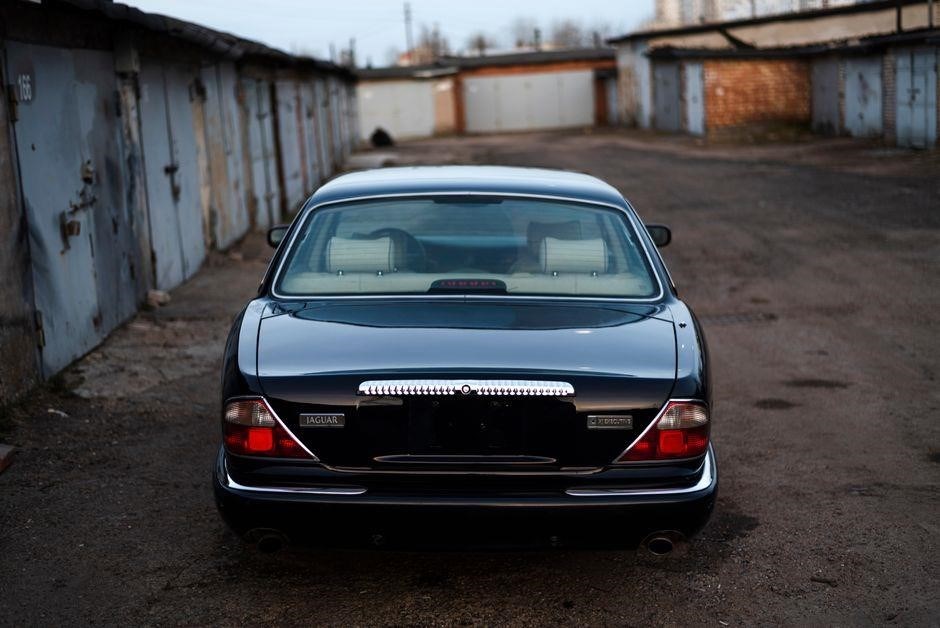
Interior Comfort and Materials Assessment
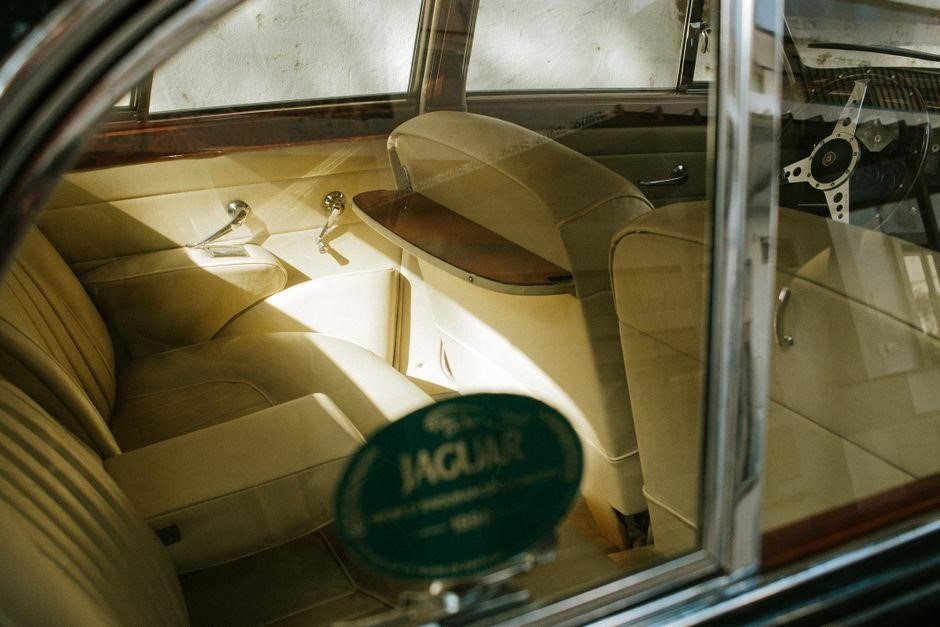
The jaguar s type buying guide details the cabin’s evolution from 1999 to 2007, noting that early models feature a mix of leather and synthetic materials with a soft, sprung driving position. The guide highlights the use of genuine Jaguar wood trim, which gives the interior a classic feel, but also points out that the early 1999‑2001 cars often have scratchy plastics and cheap‑feeling buttons that can detract from the luxury experience. From 2002 onward, the build quality improved markedly, with higher‑grade leather, better stitching, and a more refined woodwork layout. The 2005 facelift introduced upgraded seats with improved lumbar support and a more ergonomic design that many owners praise for its comfort on long drives. However, the guide warns that the climate control system is prone to electrical faults, especially in older models, and that central locking, instrument clusters, and electric seats can develop issues if not properly maintained. Window regulators are also fragile, so buyers should test all windows and mirrors before purchase. Overall, the interior comfort of the S‑Type is a blend of classic Jaguar styling and modern amenities, but potential buyers should be aware of the material quality variations across the model years and the common electrical and mechanical failures that can affect long‑term comfort.
Buyers are advised to inspect the upholstery for wear, as early S‑Types may have leather that has become stiff or cracked. The steering wheel, while classic, can be heavy and should be checked for smooth operation. A thorough test drive should confirm that the suspension responds well to bumps, and that the brakes provide consistent stopping power. Finally, owners should verify that all electronic modules are updated to the latest firmware to avoid unexpected shutdowns during long trips. A quick oil change and brake pad inspection can reveal issues early now
Exterior Condition and Common Cosmetic Issues
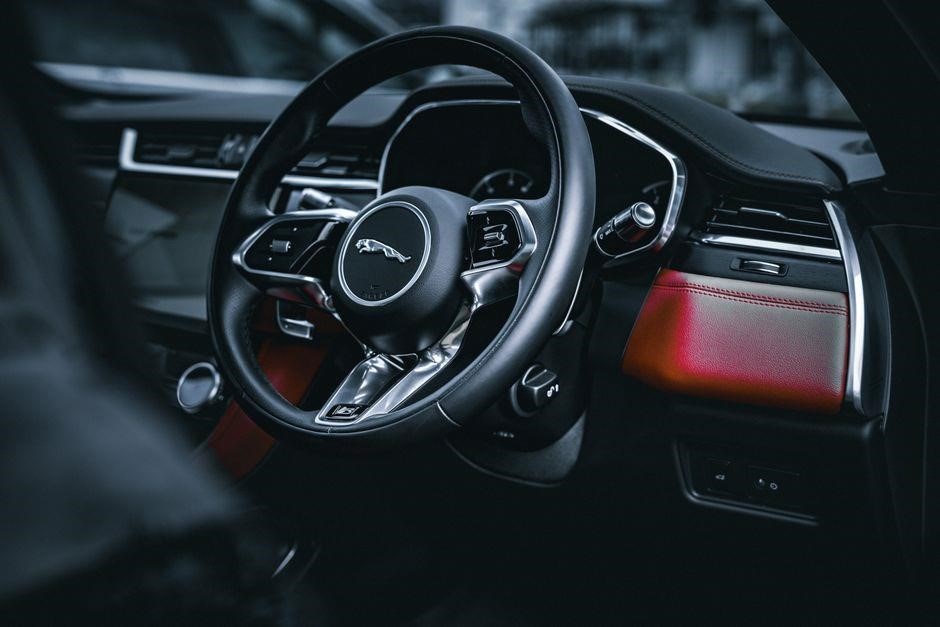
The jaguar s type buying guide emphasizes that exterior condition is a critical factor for buyers, especially given the model’s age range of 1999‑2007; Early S‑Types often display minor body‑work wear such as small dents, faded paint, and rust spots on the wheel arches or door sills. The 2005 facelift introduced a refreshed front fascia, but many owners report that the new chrome trim can be prone to tarnishing if not properly maintained. Common cosmetic issues include uneven paint finishes, especially on the rear quarter panels where the factory paint may have been applied unevenly during the 2002‑2004 production run. Buyers should also inspect the alloy wheels for bent spokes or uneven wear patterns, as these can indicate previous collisions or improper alignment. The roof rails and side mirrors frequently show signs of wear due to exposure to the elements, and the rear spoiler on the 2005‑2007 models may have a slightly warped shape if the vehicle was stored in a harsh climate. In addition, the rear hatch area is prone to water ingress, which can lead to interior mildew if not addressed. A thorough visual inspection, combined with a test drive, will help identify any hidden damage or structural concerns that could affect resale value.
When evaluating exterior condition, buyers should consider mileage, as high mileage can accelerate paint fading and rust. A paint inspection should look for mismatched clear coats, indicating previous repainting. Front bumpers and side skirts often have minor dents or scratches that can be repaired, but excessive damage may signal collision history. Checking rear tailgate hinges and spoiler alignment can reveal maintenance quality. Finally a body shop report gives a look at hidden structural and damage.
Mechanical Reliability and Common Failure Points
The jaguar s type buying guide highlights several key mechanical concerns that buyers should scrutinize. The 3.5‑L V6 engine, while powerful, is prone to oil consumption and timing chain tensioner wear, especially in models before 2004. Owners report that the high‑pressure fuel pump can fail, leading to rough idle or stalling. The 4‑speed automatic transmission, common in early years, often develops slipping or delayed shift due to worn synchronizers. The 6‑speed manual, introduced in 2003, can suffer from clutch wear if the vehicle is used for spirited driving. The front suspension uses MacPherson struts with a single shock absorber; the rear uses a multi‑link setup that can develop worn bushings, causing excessive play. Brake rotors on the front are susceptible to warping, and the ABS module may fail, disabling the system. Cooling system components, such as the water pump and thermostat, are known to seize, especially in models that have not been regularly serviced. The battery and alternator can fail prematurely due to the vehicle’s high electrical load. A thorough inspection of the engine bay, transmission fluid, and suspension components is essential before purchase. Owners should also verify the condition of the cooling system, as the radiator and heater core are prone to leaks. The timing belt, if not replaced around 80,000 miles, can cause catastrophic engine damage. Additionally, the electrical harness may exhibit frayed wires, leading to intermittent faults. A comprehensive service history, including regular oil changes, transmission fluid checks, scheduled component replacements, can significantly reduce the likelihood of expensive repairs extend the vehicle’s lifespan.!
Electrical System and Known Faults
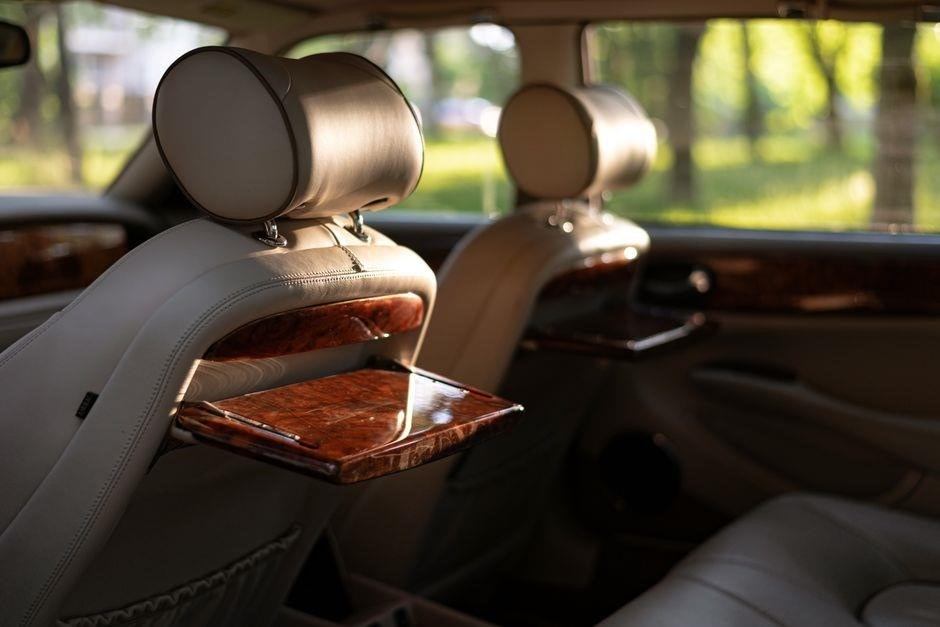
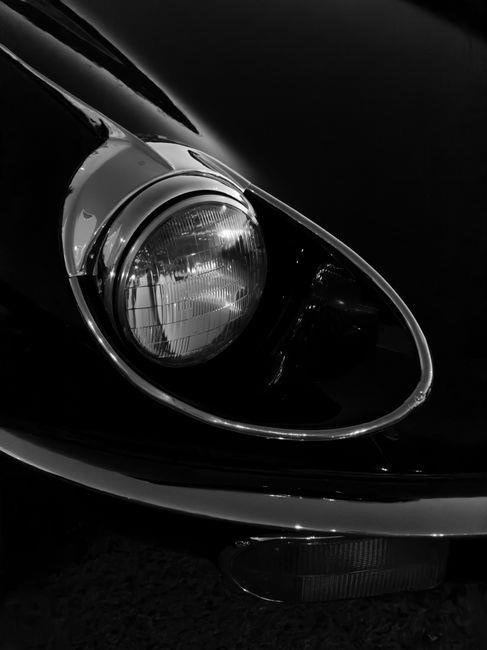
The jaguar s type buying guide stresses that the electrical architecture is a frequent source of headaches for owners. The climate‑control module is notorious for intermittent failures, often requiring a reset or replacement of the control board. Central‑locking electronics can lose power or fail to engage, leaving the doors unlocked or stuck. The instrument cluster, which displays speed, tachometer, and warning lights, is prone to flickering or complete loss of illumination, especially in older 1999‑2002 models. Electric seats, a hallmark of Jaguar luxury, may lose power or lock into a single position if the seat‑control relay or wiring harness develops a fault. Window regulators are fragile; the motor and gear assembly can seize, causing the windows to stay up or down. The battery and alternator are stressed by the high electrical load of the car’s accessories; a weak battery can trigger a low‑voltage warning even when the alternator is functioning. The ABS module, critical for braking safety, may fail, disabling the system and causing the ABS light to remain illuminated. A common issue is frayed or corroded wiring in the harness, leading to intermittent faults that are difficult to diagnose. A thorough electrical test, including a scan of the body control module, is essential before purchase. Owners should also be aware of the tendency for the headlamp assembly to develop a fault in the high‑beam circuit, often requiring a replacement of the headlamp relay. The radio and navigation system, if equipped, may suffer from a failing amplifier, leading to distorted audio. The power steering pump, while not purely electrical, is controlled by an electronic sensor that can fail, resulting in a loss of power assistance. Finally, the vehicle’s alarm system may trigger falsely due to a short in the wiring harness, causing inconvenience to the driver. Check the fuse box for blown fuses and replace!!??
The jaguar s type buying guide stresses that the electrical architecture is a frequent source of headaches for owners. The climate‑control module is notorious for intermittent failures, often requiring a reset or replacement of the control board. Central‑locking electronics can lose power or fail to engage, leaving the doors unlocked or stuck. The instrument cluster, which displays speed, tachometer, and warning lights, is prone to flickering or complete loss of illumination, especially in older 1999‑2002 models. Electric seats, a hallmark of Jaguar luxury, may lose power or lock into a single position if the seat‑control relay or wiring harness develops a fault. Window regulators are fragile; the motor and gear assembly can seize, causing the windows to stay up or down. The battery and alternator are stressed by the high electrical load of the car’s accessories; a weak battery can trigger a low‑voltage warning even when the alternator is functioning. The ABS module, critical for braking safety, may fail, disabling the system and causing the ABS light to remain illuminated. A common issue is frayed or corroded wiring in the harness, leading to intermittent faults that are difficult to diagnose. A thorough electrical test, including a scan of the body control module, is essential before purchase. Owners should also check
Pricing Guide and Market Trends
The jaguar s type buying guide outlines current market values for 1999‑2007 models, noting that early years (1999‑2001) typically command lower prices due to less refined interiors and higher mileage, while 2003‑2007 models with the 2005 facelift and upgraded wood trim can fetch 10‑15% more. Current auction data shows average prices ranging from $12,000 for a 1999 model with 120,000 miles to $18,000 for a 2007 model in excellent condition. Buyers should consider the vehicle’s service history, as a complete maintenance record can add $1,500–$2,000 to the asking price. Depreciation has slowed in recent years, with classic Jaguar enthusiasts driving demand for well‑maintained S‑Types. Regional variations exist; models in the Midwest often sell 5% lower than those in coastal markets. Seasonal trends indicate that spring and early summer auctions yield higher bids due to increased buyer activity. Finally, the guide recommends negotiating a 5% discount on listed prices for vehicles that have minor cosmetic issues or pending service items, as this can secure a more favorable purchase while still meeting the buyer’s budget constraints.
According to the latest data from automotive market analytics, the median price for a 2004 S‑Type with 80,000 miles and a full service history is $15,200, while a 2006 model with 60,000 miles and a recent engine rebuild can command $19,500. The guide highlights that buyers should also factor in the cost of potential electrical repairs—estimated at $1,200 on average—when evaluating the total cost of ownership. Inflation‑adjusted values suggest that a 2005 model purchased in 2023 could be worth roughly $20,000 today, reflecting a 12% appreciation over the past decade. For collectors, limited‑edition trims such as the 2005 “S‑Type 2000” special edition can reach $22,000 in the secondary market, driven by scarcity and brand prestige. The guide advises monitoring online forums and auction houses for price anomalies, as sudden drops often signal mechanical issues or incomplete documentation.
Where to Buy: Dealer, Private Sale, Auction
Jaguar S-Type buying guide advises prospective owners on the best avenues for acquisition. Dealers often provide certified pre‑owned inventory, offering warranties and detailed service records, but prices can be 10–15% higher than market averages. Private sales, sourced through classic car clubs or online classifieds, typically yield lower purchase prices; however, buyers must conduct thorough inspections and verify mileage. Auction houses such as Barrett’s and Mecum specialize in luxury saloons, delivering competitive bids but requiring bidders to be prepared for final‑price surcharges and potential hidden defects. The guide recommends cross‑checking VINs against manufacturer recall data, ensuring any dealer‑certified vehicle has completed all mandatory service updates. For private buyers, a pre‑purchase inspection by a Jaguar‑experienced mechanic is essential, especially for electrical systems known to temperamental. Auction participants should review the seller’s condition report and be ready to walk away if the vehicle’s history shows significant body or mechanical issues. Additionally, the guide highlights that dealer‑certified programs often include extended warranties, but these can add 5–10% to the base price. Ultimately, the choice between dealer, private sale, or auction hinges on the buyer’s risk tolerance, budget constraints, and desire for a documented vehicle. When shopping at a dealership, ask for a service history and available dealer‑certified inspection reports, and plus and a thorough inspection. Private sellers often lack formal documentation, so request a MOT or inspection certificate. Auction listings usually provide a detailed condition report and a vehicle history report; however, buyers should be wary of “as‑is” sales that exclude mechanical warranties. In all scenarios, it is prudent to factor in the cost of potential repairs, especially for older S‑Types that may require new window regulators or seat adjustments. Finally, the guide emphasizes the importance of negotiating a fair price based on comparable market data and the vehicle’s actual condition.
Inspection Checklist for Prospective Buyers
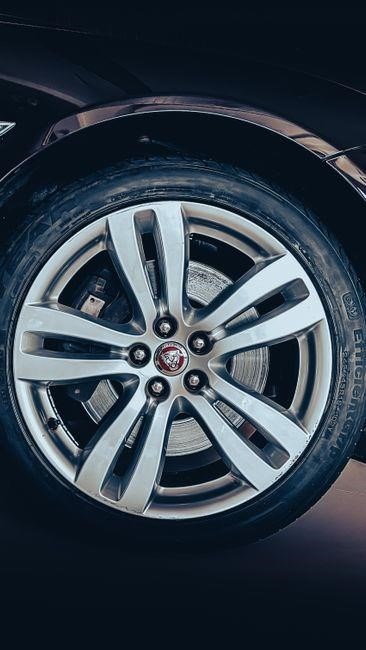
Jaguar S-Type buying guide recommends a systematic approach. Start with the exterior: inspect the paint for uneven patches, verify all panels align, and check for rust on the underbody. Move to the interior: test every switch, confirm the climate control responds correctly, and ensure the central locking system engages all doors. Verify the instrument cluster displays all gauges accurately. Test the electric seats for smooth motion and proper adjustment. Inspect window regulators by opening and closing all windows; any wobble indicates a potential failure. Check the suspension by bumping each corner and noting any excessive noise or play. Under the hood, examine the 3.5‑L V6 for oil leaks, inspect the timing belt tensioner, and confirm the coolant level. Verify the transmission fluid is at the correct level and color; for automatics, ensure smooth gear shifts. Test the brakes: look for even pad wear, listen for squeal, and confirm the ABS lights function. Inspect the tires for tread depth and sidewall integrity. Finally, review the vehicle history: confirm all service records, check for past accidents, and verify the VIN matches the title. A thorough inspection following this checklist will help you avoid costly surprises and ensure you purchase a reliable Jaguar S-Type. Additionally, verify the spare tire’s condition and the jack’s functionality. Check the battery terminals for corrosion and ensure the alternator’s output is within specifications. During the inspection, also examine the rear spoiler for cracks, inspect the side mirrors for alignment, and test the rearview camera if equipped. Verify that the airbags deploy correctly by checking the warning light during a diagnostic scan. Ensure the power steering fluid is at the correct level and free of contamination. Finally, confirm that all safety features such as seat belts, airbags, and the anti‑roll system are operational. Record any discrepancies and negotiate accordingly.